


sabongs | Understanding Sabongs: Unraveling the Exciting World of Game Rules
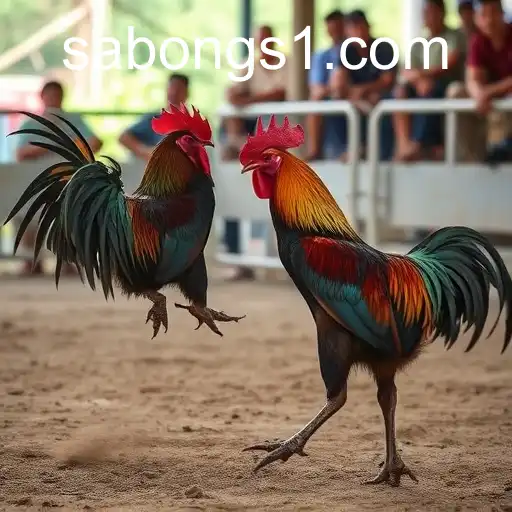
Sabong, often referred to as cockfighting, is a traditional sport that has captivated audiences for generations, especially in Southeast Asia. It is not only a form of entertainment but also a cultural phenomenon that reflects the history and social constructs of the regions where it is popular. This article delves into the key aspects of sabong, focusing on the rules that govern the game, as well as its socio-cultural implications.
At its core, sabong involves two gamecocks fighting until one is incapacitated or declares defeat. However, the sport is much more intricate when dissected into its various components and rules. The physical arena where the sabong takes place is typically circular, with spectators eagerly watching from the stands. The environment is charged with anticipation, bets are often placed, and cheers resonate as the fight unfolds.
The rules of sabong are pivotal in ensuring a fair fight and maintaining order within the sport. Each bout involves strict regulations regarding the preparation and conduct of the gamecocks. Every participating bird is typically equipped with sharp metal spurs, known as gaffs, which are fastened to their legs, enhancing their natural weaponry.
Before the match begins, both gamecocks are weighed and assessed to ensure they fall within the same category, promoting fairness. The contest is overseen by a referee who enforces the rules and determines the winner. It is important to note that while the physical combat is at the forefront, the strategic preparation of the gamecocks, including their diet and training regimen, plays a crucial role in determining the outcomes.
Sabong holds significant cultural importance, particularly in countries like the Philippines, where it is deeply ingrained in community life. More than just a sport, it serves as an opportunity for social interaction, communal bonding, and the demonstration of skill in breeding and training champion gamecocks. However, it is also a contentious topic, with discussions surrounding animal welfare and ethical considerations.
The allure of sabong continues to thrive, with efforts to modernize its traditional aspects while keeping the essential rules and cultural values intact. Whether proponents see it as a sport or a tradition, there is no denying that sabong has etched its place in the cultural fabric where it thrives. Understanding the rules and broader context of sabong is key to appreciating this vibrant and controversial sport.
